
Why I launched the Where We Come Alive podcast
The Art of Noticing
There’s a question I’ve been carrying around with me for a while now.
Not a question I’ve been trying to answer, but one I’ve been quietly living.
What is it that makes us feel most alive?
Not successful.
Not productive.
Not busy.
Not accomplished.
Alive.
The feeling is difficult to describe, but most of us know it when we experience it.
It’s that moment when time seems to slow down and the noise of everyday life softens. When we stop thinking quite so much and start feeling a little more.
I’ve discovered that those moments often arrive unexpectedly.
A shaft of sunlight through trees.
The smell of rain on warm earth.
A wildflower growing through a crack in a pavement.
The sound of waves pulling pebbles back into the sea.
The more I began paying attention to these moments, the more I realised they weren’t accidental. They were invitations.
Invitations from nature, to return to myself.
And that, ultimately, is why I started Where We Come Alive.
The women who notice
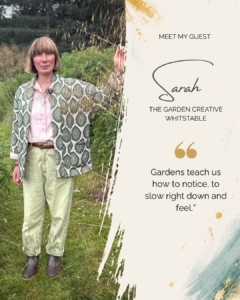
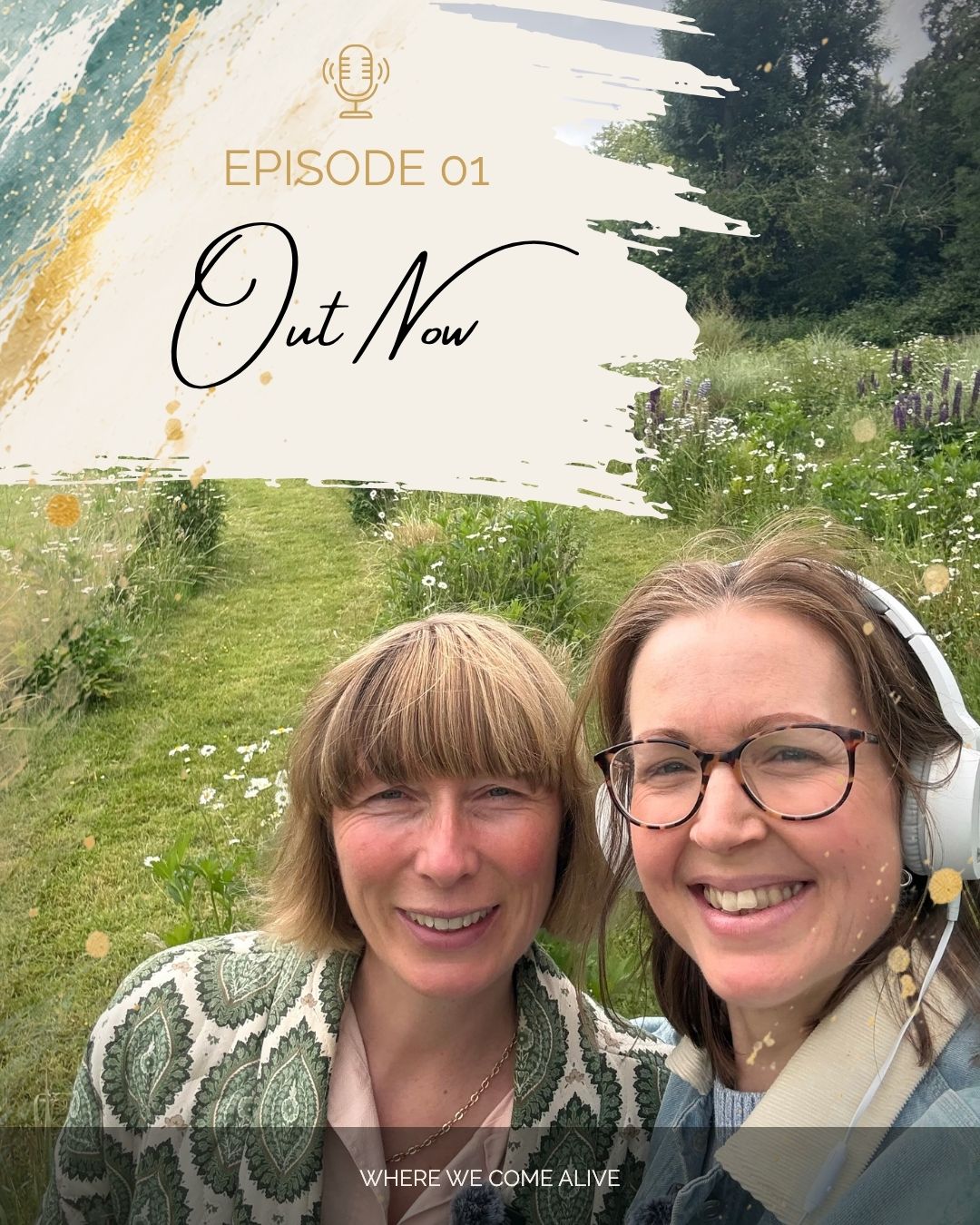
The first episode of Where We Come Alive features garden designer Sarah from The Garden Creative.
Sarah designed my own garden a few years ago, transforming it into a space that felt whimsical, romantic and deeply personal.
Walking together through the beautiful gardens at Mount Ephraim, near Faversham in Kent, I was struck by how she experiences the world.
At one point, surrounded by tall grasses swaying in the wind, birdsong drifting through the air and the scent of rain lingering on the ground, I asked her a question:
“Do you think we’ve forgotten how to notice?”
Her answer was immediate.
“Yes.”
And then she said something that stayed with me long after our walk had ended.
“I sometimes just think, why don’t people do this more? Why don’t people just stop and watch and feel?”
It sounds simple.
But perhaps simplicity is exactly what we’ve lost.
So much of modern life encourages us to move faster.
To consume more.
To scroll more.
To achieve more.
To think more.
Rarely are we encouraged to stop.
To stand still.
To pay attention.
To notice.
Yet over and over again during our walk, the landscape rewarded us for doing exactly that.
A tiny young ladybird hidden amongst the grasses.
A dragonfly – symbolising transformation and self-realisation – darting across our path.
The scent of roses after rain.
The sound of bees moving through the planting.
The way sunlight illuminated the seed heads of ornamental grasses.
None of these moments were extraordinary.
And yet together they felt completely magical.
Creativity begins with attention
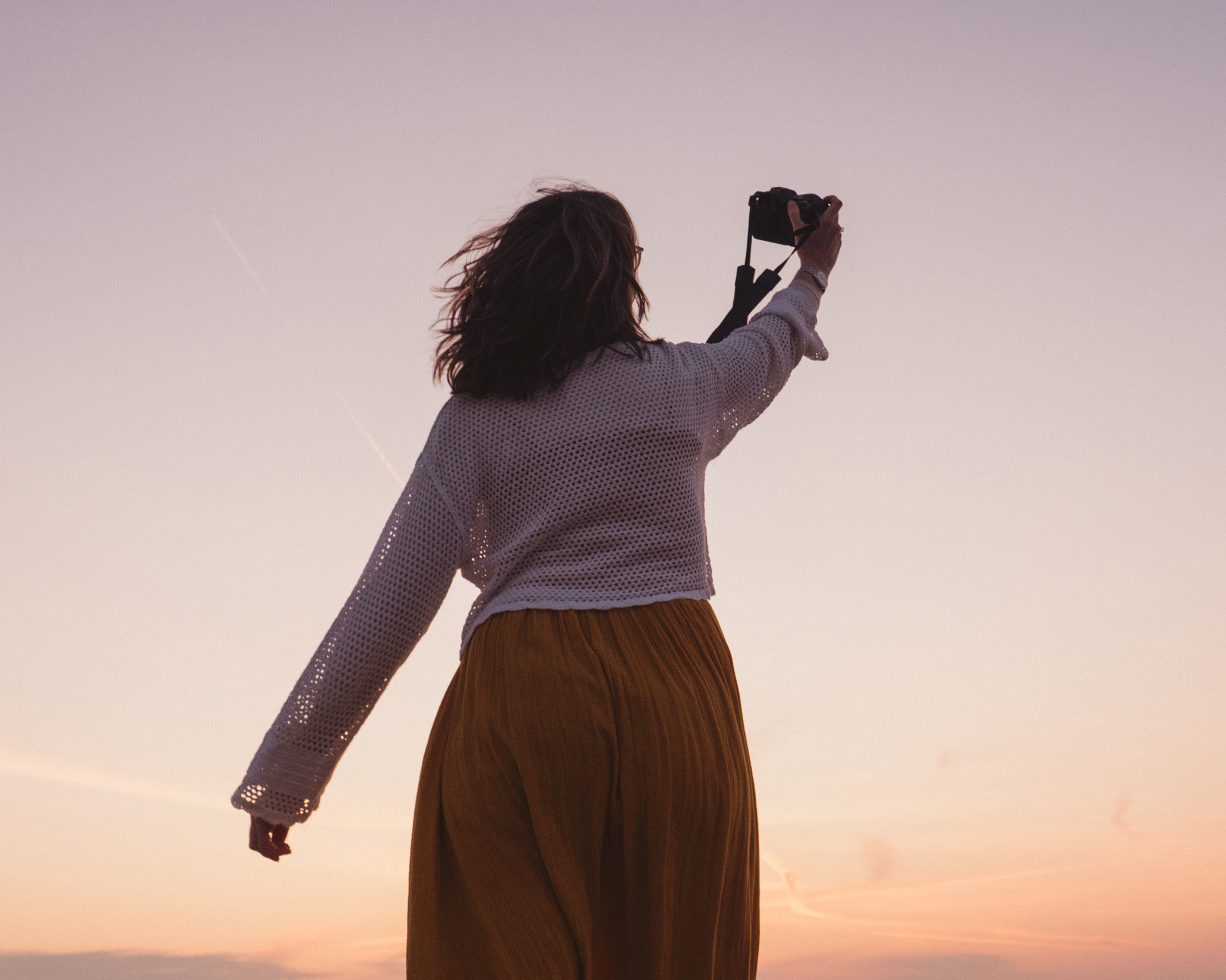
As a photographer, this idea feels especially important to me.
People often ask where inspiration comes from.
They imagine creativity arriving as some dramatic lightning bolt.
A sudden idea.
A moment of genius.
But in my experience, creativity begins much earlier than that.
It begins with attention.
Before there is a photograph, there is noticing.
Before there is a painting, there is noticing.
Before there is a garden design, there is noticing.
Before there is a poem, a song, a sculpture, a piece of writing or a new idea, there is someone paying close attention to the world around them.
Listening.
Observing.
Wondering.
Sarah spoke beautifully about this during our conversation.
When discussing how she designs gardens, she explained that the practical elements come first. The pathways. The layout. The logistics.
But the atmosphere?
That comes from somewhere else.
Something less analytical.
Something harder to explain.
“I think the atmosphere side is hopefully coming from an emotional response to something,” she explains.
I recognised that immediately.
It’s exactly how I feel when I photograph.
There is always a practical side.
Camera settings.
Composition.
Light.
But the images that stay with me are rarely the technically perfect ones.
They’re the photographs that capture a feeling.
A mood.
An atmosphere.
A fleeting moment of connection.
And perhaps that’s because atmosphere isn’t created through thinking.
It’s created through feeling.
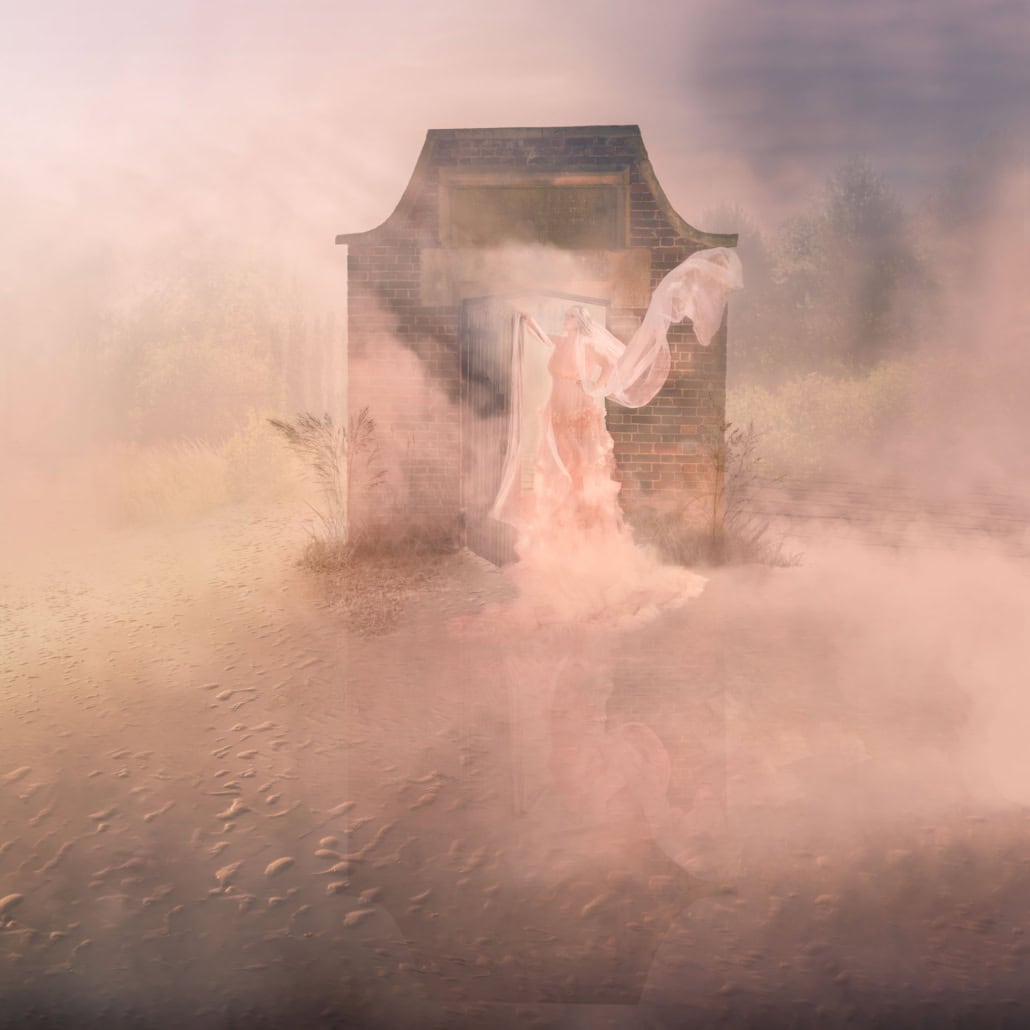
Nature as a creative partner
One of the things I love most about the conversations on Where We Come Alive is how often nature appears not simply as inspiration, but as collaborator.
The women I interview don’t just use nature as a backdrop.
They engage with it.
Respond to it.
Learn from it.
Allow it to shape the way they create and live.
For some women, that relationship is obvious.
A florist working with seasonal flowers.
A gardener designing landscapes.
An artist inspired by the sea.
But I’ve begun to realise that the same relationship exists in many forms.
Nature teaches patience.
It teaches impermanence.
It teaches cycles.
It teaches resilience.
It teaches trust.
Most importantly, it teaches presence.
Because nature doesn’t exist anywhere except now.
A flower isn’t worrying about next week.
A bird isn’t replaying yesterday.
The tide isn’t rushing towards tomorrow.
Everything is happening in this moment.
And when we spend time outdoors, something in us begins to remember that.
Coming back to ourselves
Perhaps that is what these conversations are really about.
Not nature.
Not creativity.
Not even place.
But presence.
The places that make us feel most alive often have one thing in common.
They bring us back to ourselves.
Not the version of ourselves who is managing endless responsibilities.
Not the version who is rushing from one thing to another.
Not the version who is constantly striving.
But the quieter self beneath all of that.
The self that notices.
The self that wonders.
The self that remembers how to stand still long enough to hear birdsong.
To feel the wind.
To watch a butterfly land on a flower.
To notice a tiny beetle hidden amongst the grass.
The self that remembers we are part of the natural world, not separate from it.
An invitation
If there is one thing I hope listeners take away from Where We Come Alive, it is not a lesson.
It is an invitation.
An invitation to pay attention.
To find your own place.
To spend a little more time outdoors.
To notice the things you might normally walk past.
To listen.
To wonder.
To slow down.
Because perhaps Sarah is right.
Perhaps we have forgotten how to notice.
But perhaps remembering is easier than we think.
Perhaps it begins with something as simple as stepping outside.
Looking up.
Feeling the wind.
And allowing ourselves, even for a moment, to be fully present in the world around us.
Because the places that make us feel most alive may not be asking us to do more at all.
Perhaps they are simply inviting us to notice.
Louisa Peacock creates timeless, elegant photography with a fine art photograph feel, capturing people, stories and meaningful moments with care and intention. Her work blends beautiful natural light, thoughtful composition and a calm, personal approach, helping clients feel relaxed while creating images that feel refined, emotive and lasting.
The Where We Come Alive podcast is out now and available to listen on all major platforms including Apple and Spotify.

