
Changing the Story Around British Flowers
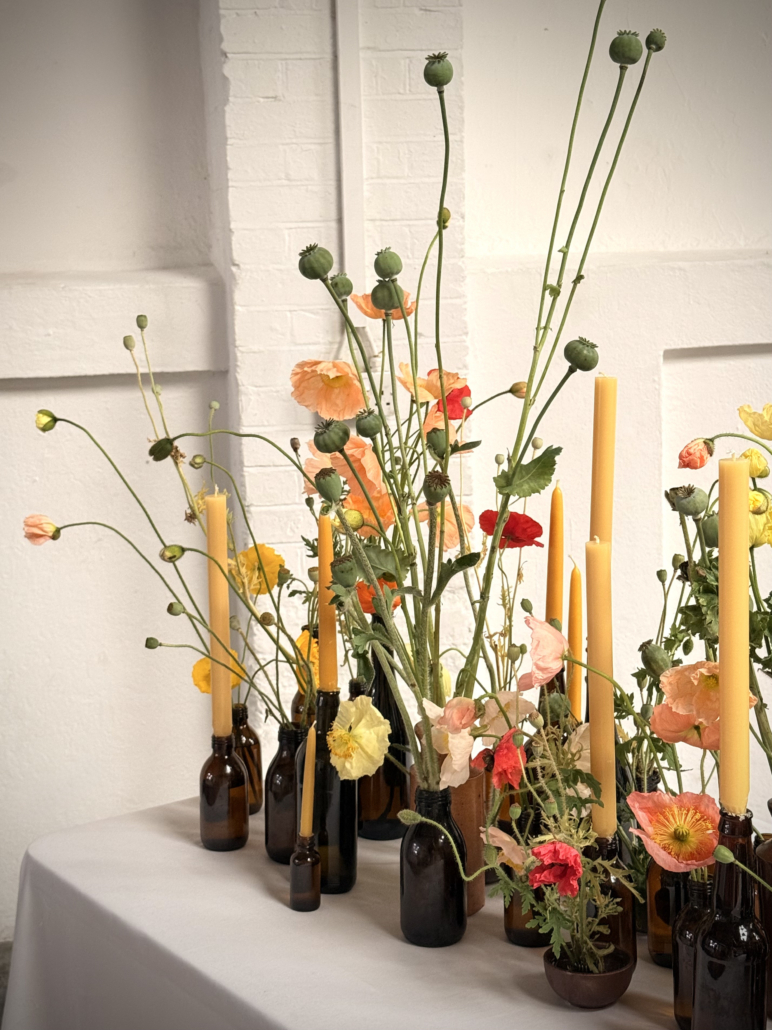
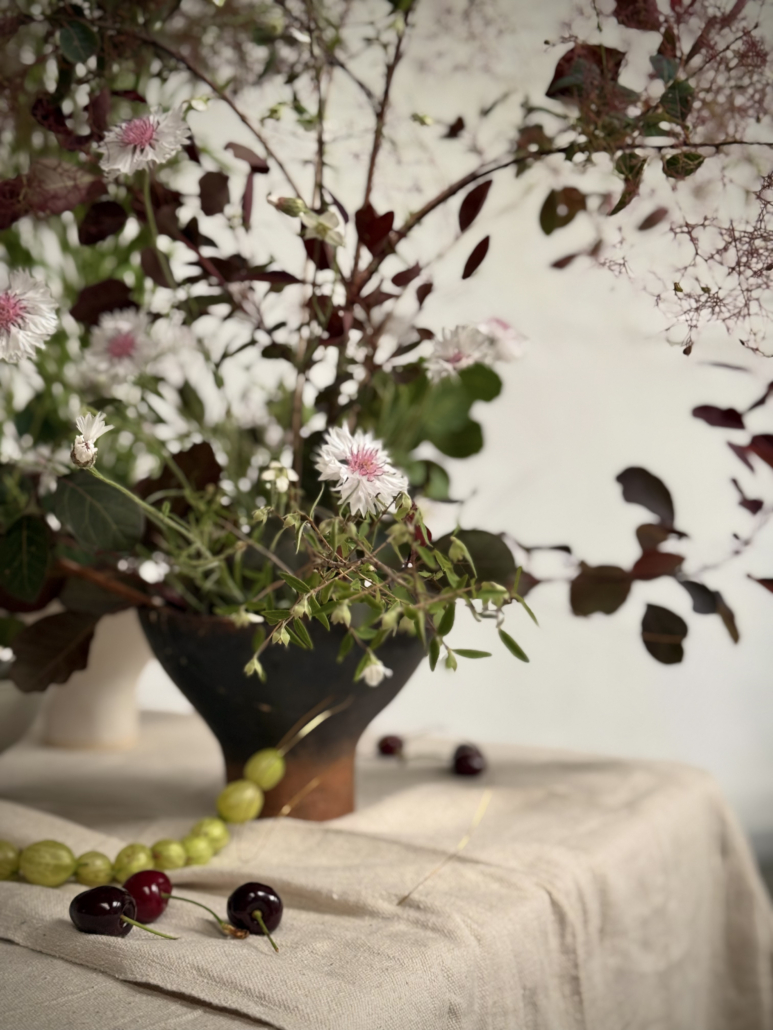
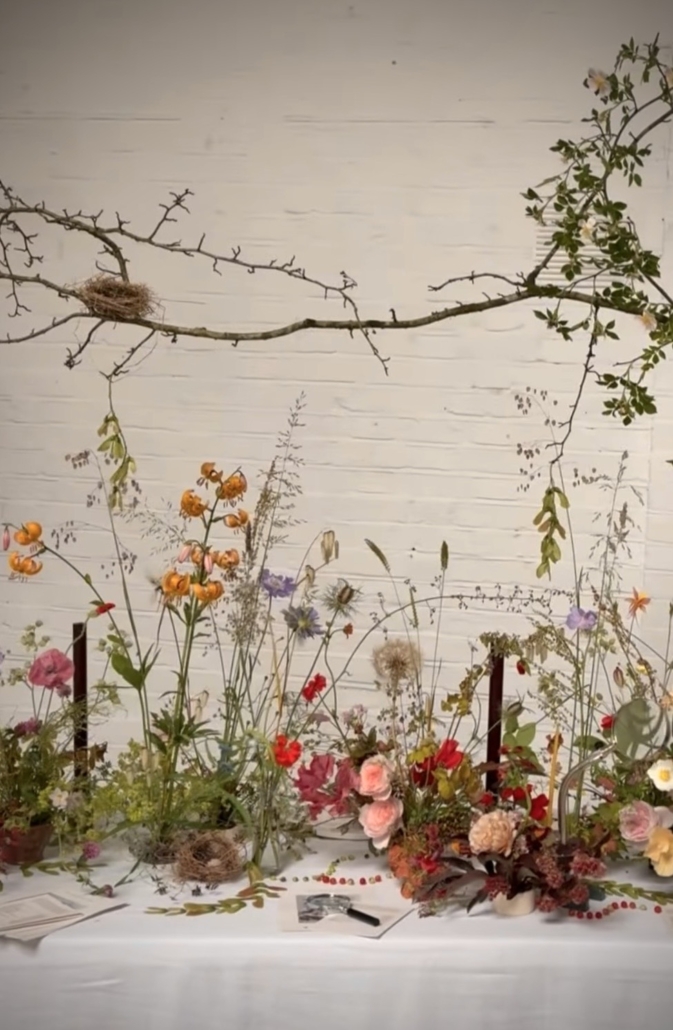
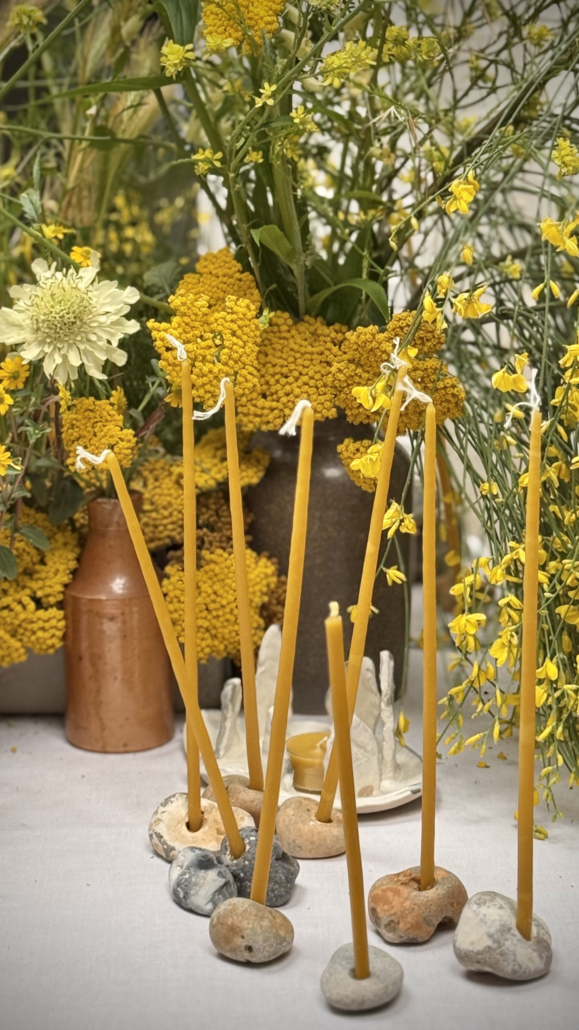
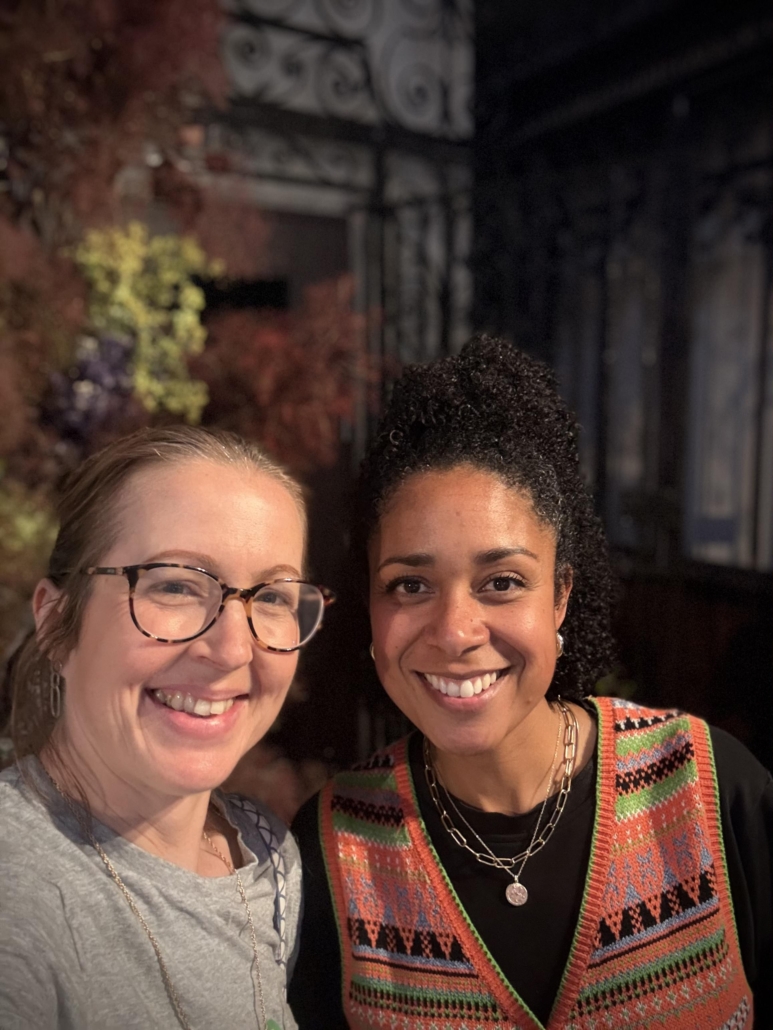
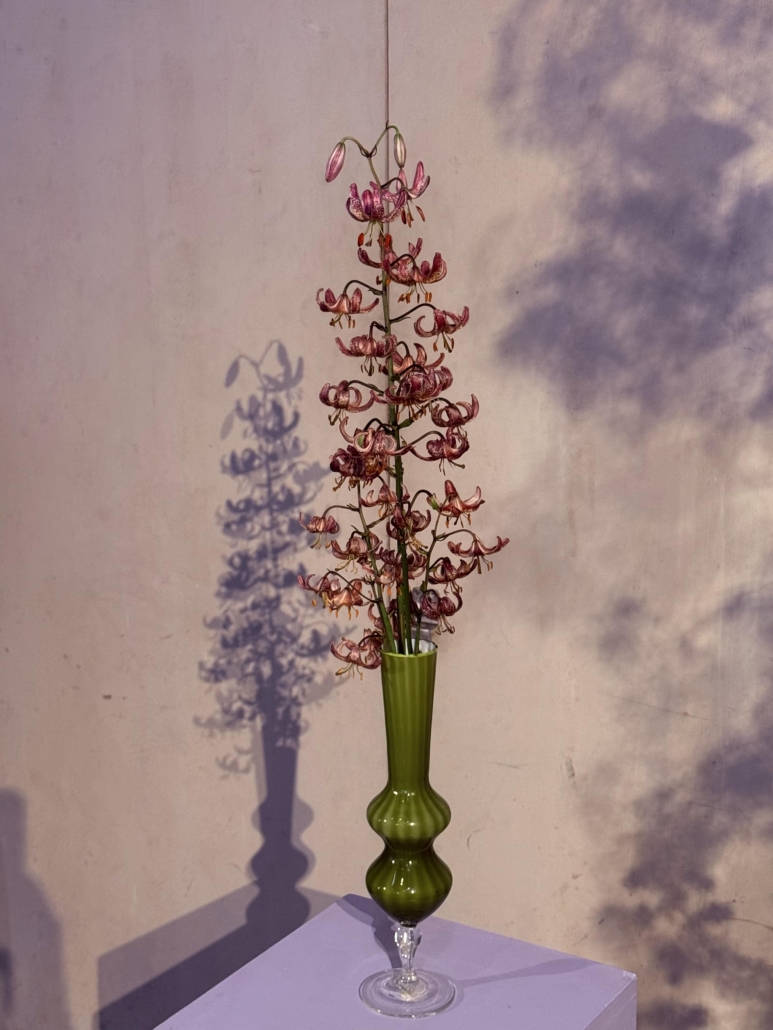
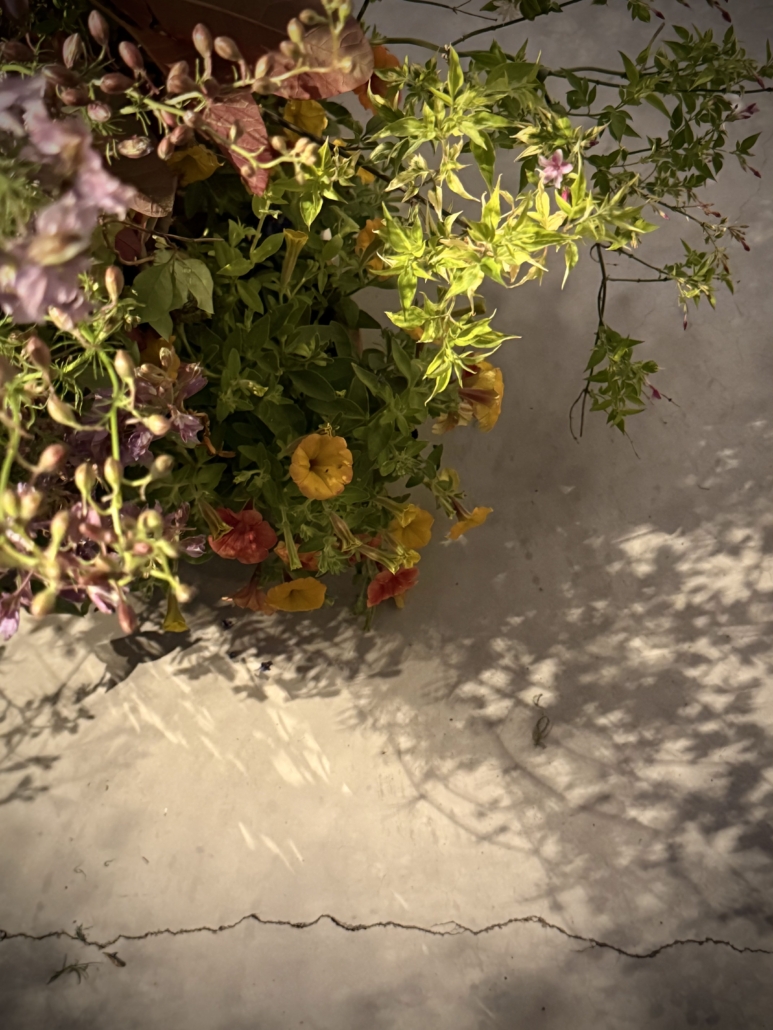
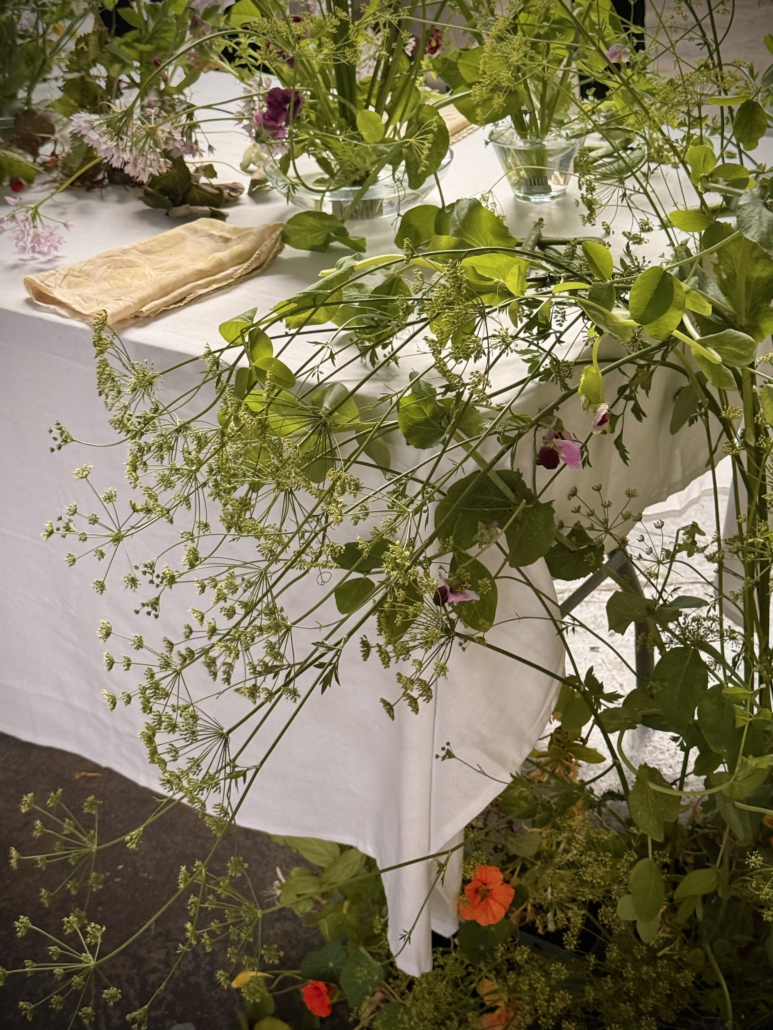
Earlier that day, I met with Hannah from Elder & Iris across town at the Garden Museum. She designed a fabulous installation there also as part of British Flowers Week.
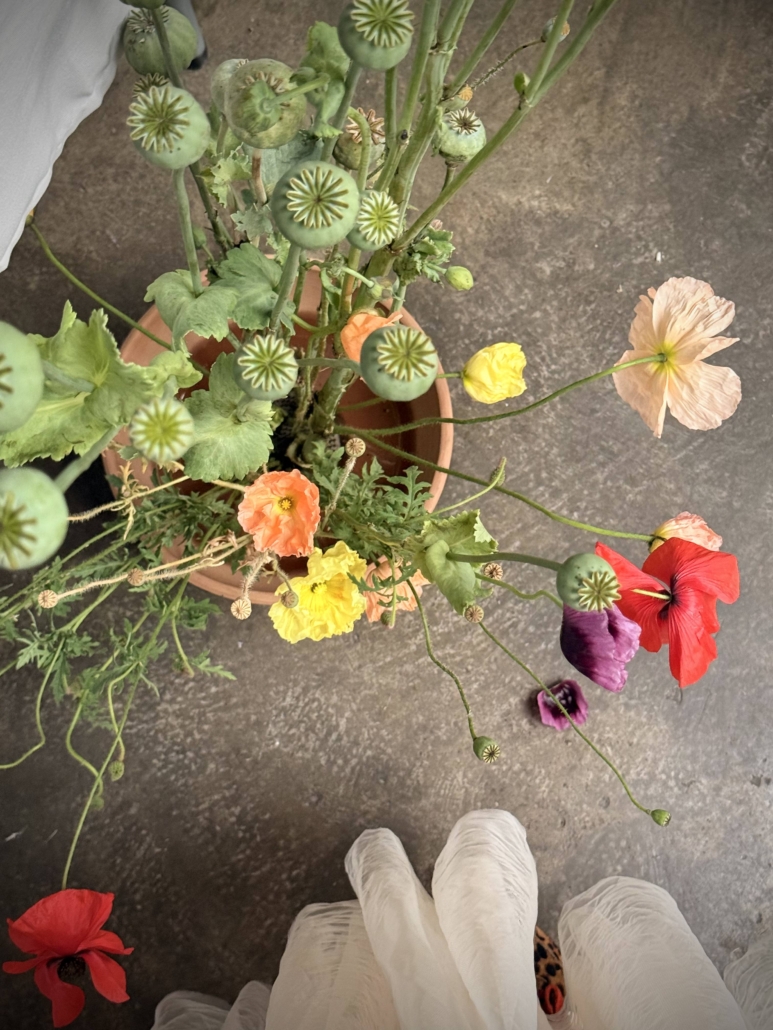
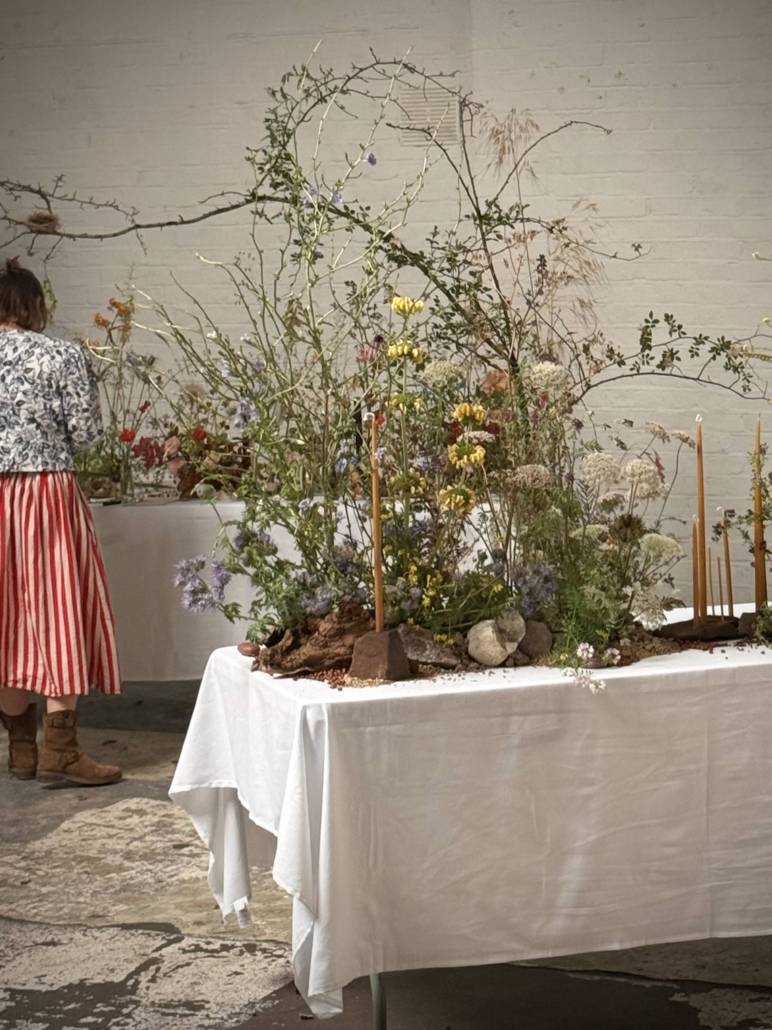
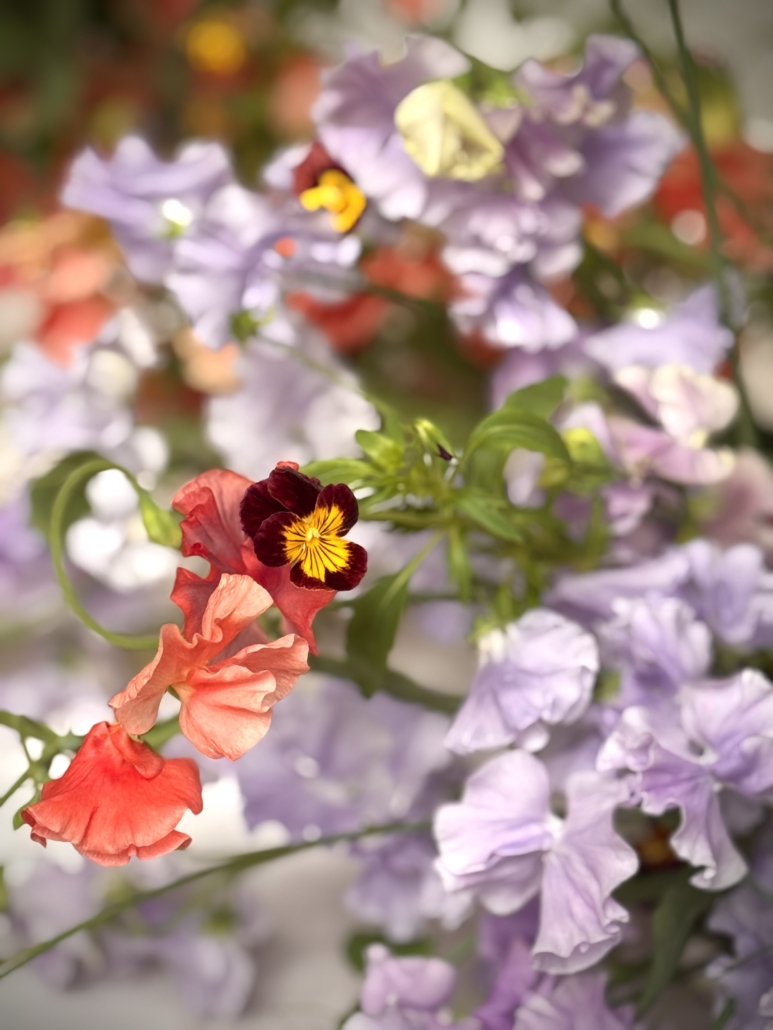
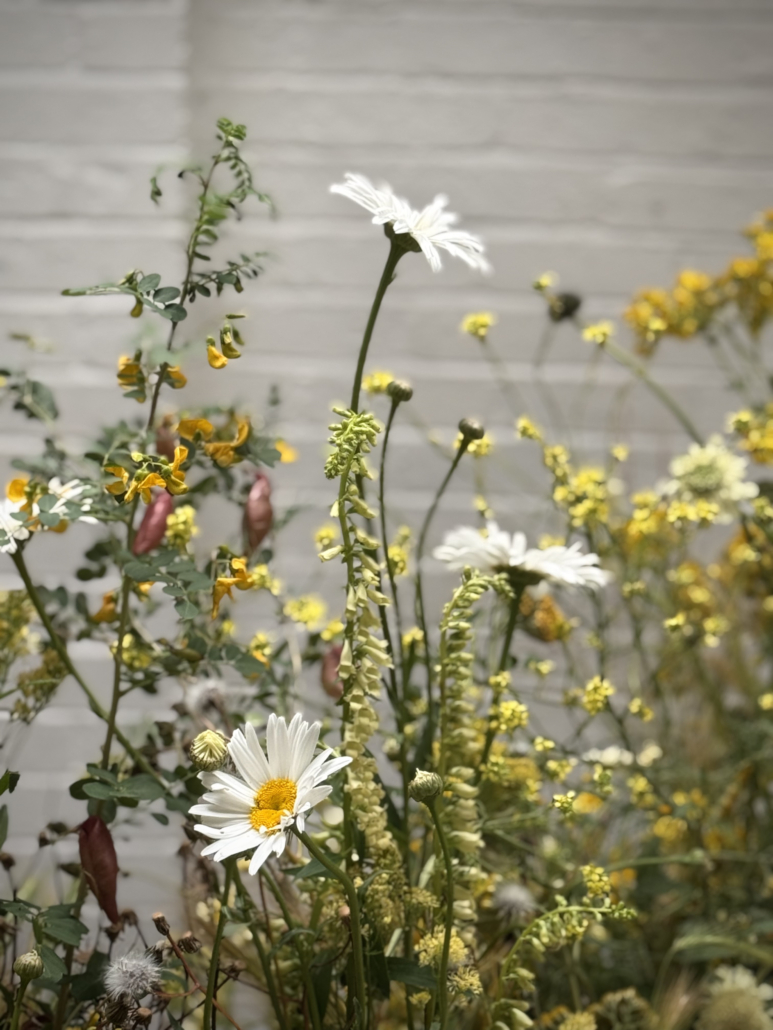
One of the assumptions many people make about British-grown flowers is that they only lend themselves to a particular style. We picture cottage gardens, wildflower meadows and loose, romantic arrangements. Beautiful, yes. But perhaps not what everyone imagines when they’re planning a wedding, commissioning an installation or looking for something contemporary and bold.
But Hannah challenged that idea completely.
She spoke about the extraordinary diversity available from British growers
Louisa meets Hannah from Elder & Iris
and the huge range of creative possibilities that come with it.
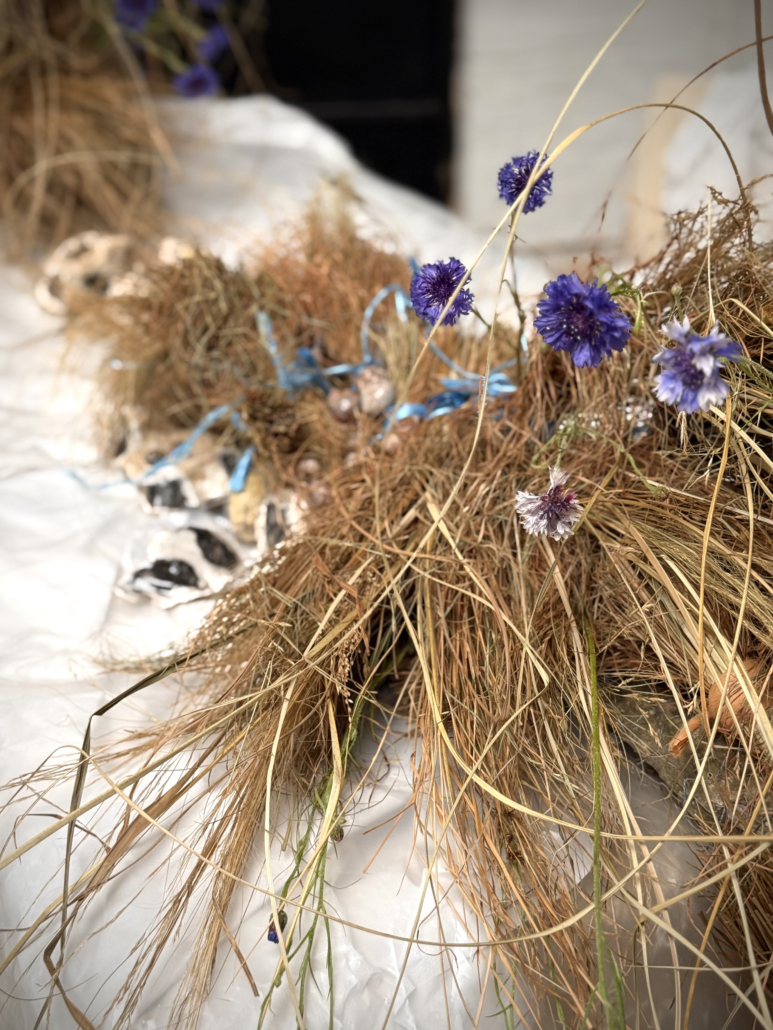
British-grown flowers aren’t limited to one aesthetic.
They can be dramatic and sculptural. Minimal and understated. Wild and naturalistic. Bold statement pieces or quiet studies in texture and tone.
In many ways, the challenge isn’t a lack of flowers.
It’s a lack of awareness.
The public can’t choose what they don’t know exists.
As a recent report from the duo behind Flowers on the Edge – Cissy and Liv – states: “Consumers also shape the trade. Over half of UK flowers are sold in supermarkets, which often require certifications or that supplier codes of conduct are met. Yet their buying power can also drive prices down to unsustainable levels.”
Cissy and Liv are part of a new generation of floral designers challenging industry norms, bringing design, nature and the seasons into closer alignment for a more sustainable floristry industry.
I can’t help but come to the conclusion that for British-grown, sustainable floristry to become the norm rather than the exception, we need even more people in the industry showing what is possible. We need floral designers, artists and growers demonstrating the breadth, beauty and versatility of seasonal flowers. We need people to see arrangements and installations they love and realise they don’t require flowers flown halfway around the world after all.
Part of the problem is that both well-meaning florists and consumers don’t always know about (or can’t find out easily) the provenance or production process of flowers. Questions like – Is the glasshouse used to grow flowers powered by renewables? Do they employ rainwater capture? Which pesticide groups are used, which are avoided? Which standard is certified (e.g., Fairtrade)? What was the mode of transportation? How many days on average have the stems spent in cold-chain? – are vital if we are to make significant change in the industry, which is why Flowers from the Edge have launched a campaign for better labelling.
Because once people see the reality behind flowers, once people note what’s possible right here in Britain, perceptions begin to change. Buying patterns begin to change.
The issue isn’t whether British-grown flowers are beautiful enough.
It’s whether the Government, and in turn the industry and its consumers, is doing enough to tell their story.
The Difference Between a Florist, Designer and Artist
One of the first things discussed in the panel event at Flowers on the Edge was the difference between a florist, a floral designer and an artist.
Those terms are often used interchangeably, but they’re not necessarily the same thing.
A florist might supply flowers and arrange them beautifully.
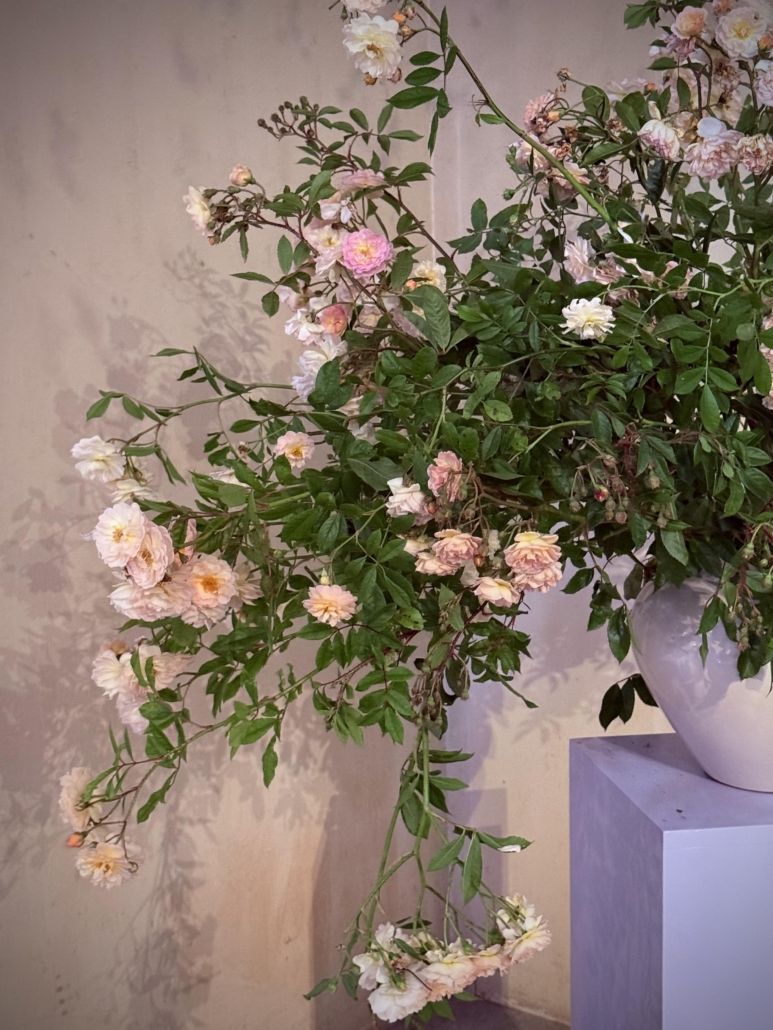
A floral designer is often creating something more interpretive, working with colour, texture, seasonality and form to create a feeling or atmosphere. They are working to a client’s brief, but use their expertise to advise the client on the best way forward.
An artist may go even further, using flowers as a medium for their own expression, storytelling or installation, not necessarily working to anyone’s brief but their own.
The distinctions aren’t rigid, but they matter because they shift the conversation away from simply providing a product and towards creating an experience.
That feels important.
Because if British-grown flowers are going to compete with mass-produced imports, people need to trust the expertise of those creating with them.
At the moment, many customers arrive with a Pinterest board and a shopping list.
“I want peonies.”
“I want hydrangeas.”
“I want this exact arrangement.”
The challenge comes when those flowers aren’t actually growing at that time of year.
What happens then?
The easy answer is to import them.
The harder answer is to educate.
To say, “No, peonies aren’t available in December. But look at what is.”
And that’s where trust comes in.
Because a good floral designer isn’t simply providing flowers.
They’re helping people see possibility.
They’re translating the beauty of the season into something their client may never have imagined.
In many ways it reminded me of photography.
People often think they want a particular image.
But sometimes the real magic happens when you stop trying to force a preconceived idea and start working with what’s actually in front of you.
The weather.
The light.
The landscape.
The mood.
The season.
The most memorable photographs I’ve ever made weren’t created by controlling every variable. They emerged from paying attention.
Flowers, it seems, are no different.
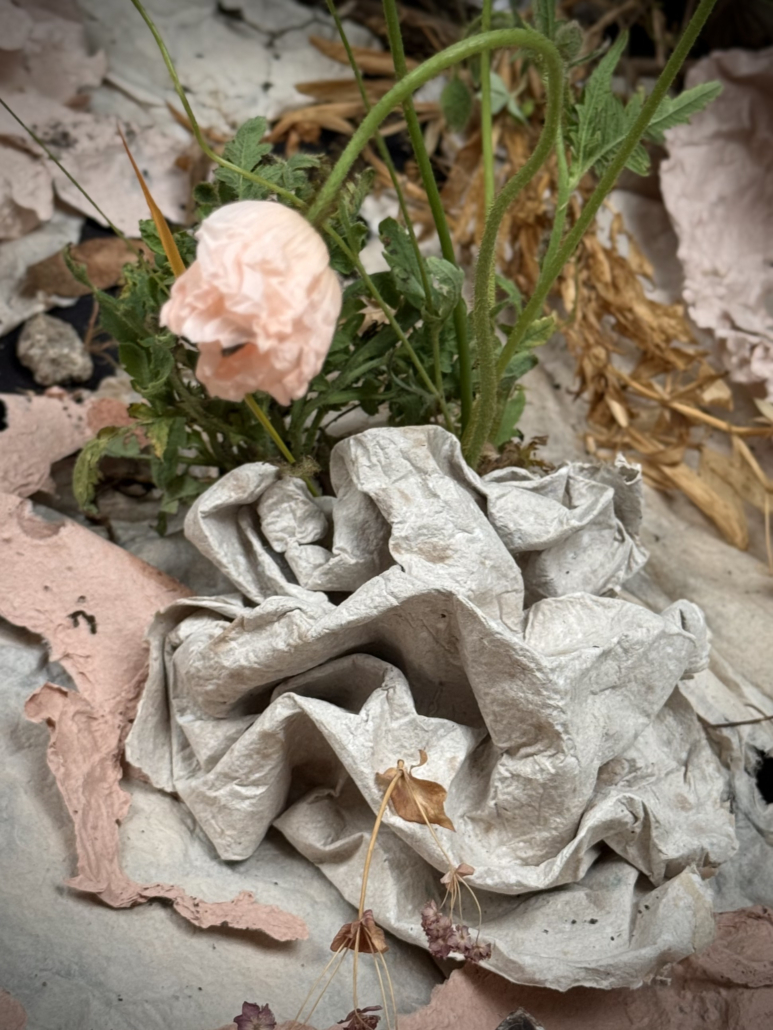
Why Seasonal Flowers Matter
One flower farmer spoke about the difference between growing for beauty and growing for durability.
That sentence stayed with me.
Much of the commercial flower industry has been shaped by transport.
Flowers need to survive being boxed, shipped, refrigerated, stored and transported across countries and continents.
As a result, durability often becomes more important than character.
More important than scent.
More important than movement.
More important than fleeting beauty.
British flower growers have an entirely different relationship with what they produce.
Because their flowers don’t need to survive thousands of miles of travel, they can grow varieties chosen for fragrance, texture, uniqueness and seasonality.
The flowers are often less uniform.
Less perfect.
And somehow far more interesting.
It reminded me of supermarket strawberries compared to those picked straight from the garden.
One looks neat.
The other tastes of something.
The conversation kept returning to this idea that what we buy shapes what gets grown.
Every purchase is a vote.
If we continue demanding imported flowers twelve months of the year, that’s what the industry will provide.
If we begin valuing seasonal British-grown flowers, the market will gradually shift.
And perhaps that’s already beginning to happen.
There was a quiet optimism in the room.
Yes, the challenges are significant.
But more flower farmers are growing sustainably than ever before.
More designers are championing local flowers.
More customers are asking questions about provenance.
Change is happening.
Slowly.
And perhaps that’s exactly the point.
Flowers teach us patience.
The event also made me notice something else.
The room was overwhelmingly female.
That fascinated me.
Not because flowers belong to women—they don’t—but because there was something powerful about gathering with so many women whose work is rooted in nurturing, growing, creating and collaborating with nature.
These weren’t people trying to dominate the natural world.
They were working alongside it and there’s a lesson there too.
Particularly in a culture that constantly tells us to optimise, hustle and control.
Flowers don’t respond to hustle.
You can’t force a seedling, or rush a season. You can’t demand peonies in December simply because you’ve decided you want them.
Nature has its own timetable.
And perhaps part of the reason so many of us feel exhausted is because we’ve forgotten how to live within those rhythms.
We’ve become accustomed to immediate gratification: any fruit, any flower, any product, any season, any time.
The flower industry simply reflects a much bigger cultural story.
The expectation that everything should always be available.
That nothing should have to wait.
That scarcity is somehow a problem rather than part of what makes something precious.
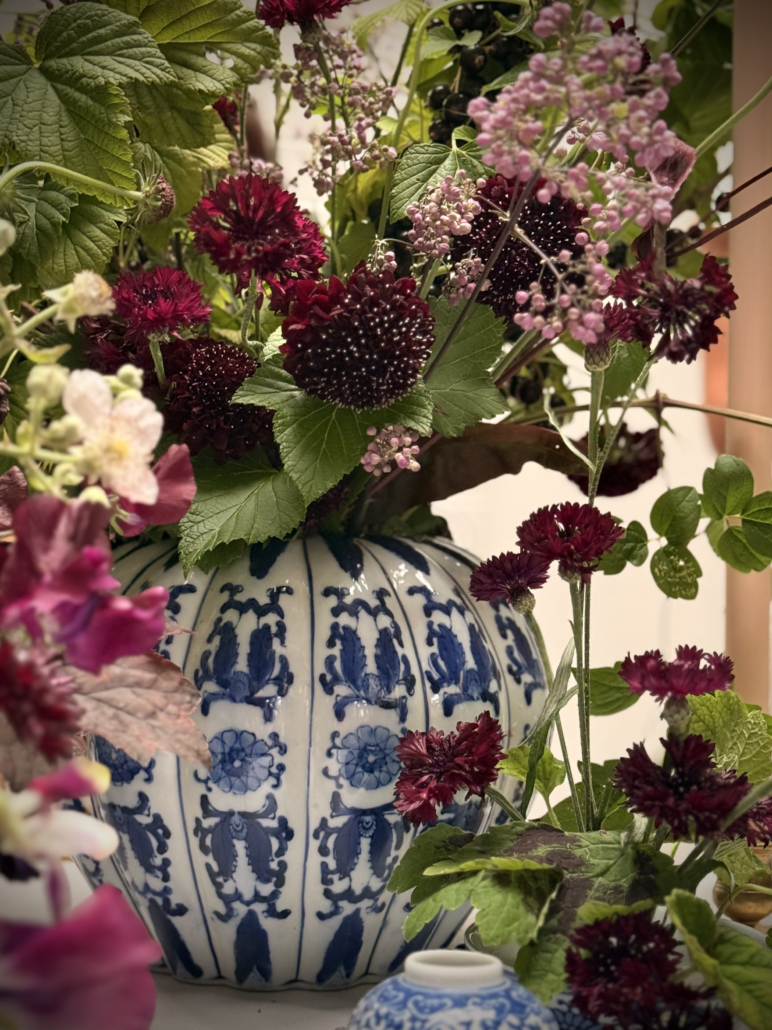
What This Means for My Photography
As I caught the train home that night, I found myself thinking less about flowers and more about photography. This happens to me with pretty much anything, but especially today.
The projects I’m beginning to imagine.
The stories I want to tell.
The landscapes I want to work in.
I’ve always been drawn to themes of presence, attention and connection.
But this event reminded me that flowers are storytellers. They carry ideas about place, season, ecology, time and belonging.
A flower grown in Kent in June tells a very different story from one flown halfway around the world.
Neither is simply a flower and yet both are part of a wider system.
And as artists, photographers and creatives, we have an opportunity to help people see those stories, to help people notice.
That’s probably what I took away most from Flowers On The Edge.
Not a list of flowers or growing tips or industry statistics but a deeper appreciation for seasonal living.
For accepting what is here rather than constantly chasing what isn’t.
For trusting that every season brings its own beauty and perhaps that’s the wider lesson flowers have been trying to teach us all along.
That life isn’t meant to be available all at once and that beauty isn’t something we can demand on our schedule.
That wonder arrives when we pay attention to what’s already blooming in front of us.
Right here.
Right now.
Louisa Peacock is a fine art photographer. Her work is inspired by nature and seasonal living, and blends beautiful natural light with a thoughtful composition.
The Where We Come Alive podcast, where Louisa chats to creative women who are inspired by nature, is out now and available to listen on all major platforms including Apple and Spotify.