
What the flowers can teach us – A morning with independent florist Kate from Bracken & Bloom
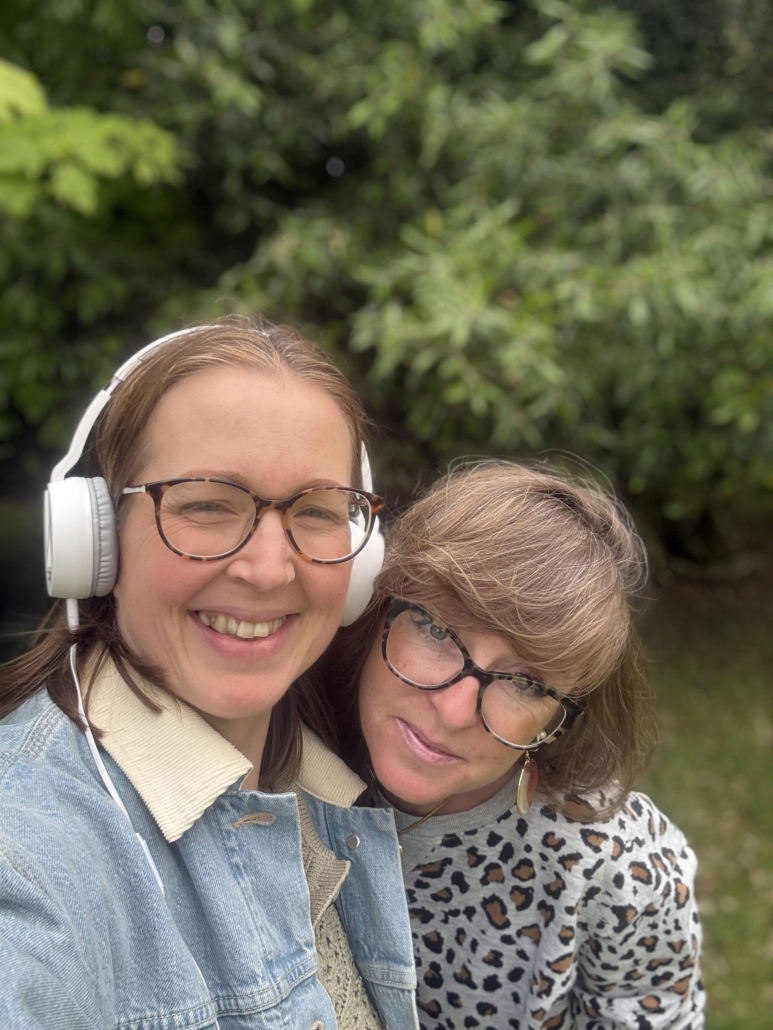
There was a moment during my conversation with florist Kate Henshaw-Hughes when we both took off our shoes.
No grand reason.
No carefully planned podcast segment.
Just a spontaneous decision to feel the grass beneath our feet.
As we stood barefoot in a paddock overlooking the North Downs, surrounded by birdsong, wild grasses and enormous trees planted by Kate’s parents decades earlier, it struck me that this is exactly what Where We Come Alive is all about.
Not the flowers.
Not the floristry.
Not even the beautiful setting.
But the way nature quietly invites us back into ourselves.
Because when you spend time with someone whose life revolves around flowers, you realise very quickly that flowers aren’t really the point.
They’re simply the doorway.
1. Returning Home
When I ask every guest where they feel most alive, what I’m really asking is:
“Where do you return to when you need to remember who you are?”
For Kate, the answer was immediate.
East Brabourne.
The landscape she grew up in.
The fields she played in as a child.
The open skies that have watched over generations of her family.
As we stood beside her shepherd’s hut, looking out across the Kent countryside, she spoke about being drawn back here time and time again, particularly during difficult periods in her life.
I understood exactly what she meant.
Many of us have places like that.
Places that seem to know us.
Places that existed long before us and somehow hold our memories long after we’ve left.
What struck me most wasn’t necessarily the beauty of the landscape itself, although it was beautiful.
It was the emotional connection she had with it.
The sense that this wasn’t simply somewhere she worked.
It was somewhere she belonged.
And perhaps that’s something we’re all searching for.
Not just beautiful places.
But places that feel like home.
2. Flowers Were Never Just Flowers
Kate’s journey into floristry began during lockdown.
Like so many people, she found herself craving creativity, connection and something meaningful to focus her attention on.
A floristry course purchased online on a whim became the beginning of an entirely new chapter.
But listening to her tell the story, it became obvious that flowers offered something much deeper than a new hobby.
They offered expression.
Community.
Connection.
I loved hearing her describe gathering friends together to pick flowers at a flower farm before teaching them how to arrange them.
There was lunch.
Conversation.
Laughter.
Learning.
The flowers were only one part of the experience.
And isn’t that often the way?
The things we think we’re creating are rarely the only things we’re creating.
Kate may have been arranging flowers.
But she was also creating moments.
Memories.
Relationships.
Experiences.
Beauty becomes much more meaningful when it’s shared.
3. Living by the Seasons
One of the strongest themes running through our conversation was seasonality.
As a sustainable florist, Kate works almost entirely with British-grown flowers.
That means she can’t simply order whatever she wants whenever she wants it.
She works with what’s available.
What’s growing.
What’s thriving.
What’s ready.
And I found that incredibly refreshing.
We’ve become so used to having everything immediately available.
Any fruit.
Any vegetable.
Any flower.
At any time of year.
But nature doesn’t work like that.
Nature works in seasons.
And perhaps we’ve lost something by forgetting that.
Kate spoke about peonies.
One of her favourite flowers.
Beautiful.
Highly anticipated.
And frustratingly fleeting.
Their season arrives.
And then it’s gone.
For a few short weeks they’re everywhere.
Then they disappear again until next year.
There’s something profoundly human about that.
Because life itself is seasonal.
Certain opportunities appear and disappear.
Relationships change.
Children grow up.
Circumstances shift.
Nothing stays exactly the same forever.
Flowers seem to understand this.
The question is whether we do.
4. What Happens When We Slow Down?
Halfway through the recording, we took off our shoes.
I hadn’t planned it.
But it became one of my favourite moments.
Suddenly we weren’t talking about nature.
We were experiencing it.
Feeling the grass.
Watching where we stepped.
Paying attention.
It’s amazing how quickly that changes something inside you.
The world feels different when you’re actually in contact with it.
And that’s something Kate returns to repeatedly through her work.
She notices things many of us overlook.
The texture of grasses.
The shape of seed heads.
The beauty of cow parsley lining country lanes.
The subtle shifts in colour as the seasons change.
Things that many people might dismiss as background scenery become sources of inspiration.
It made me think about how often we move through life without really seeing it.
We’re busy.
Distracted.
Rushing.
Focused on the next thing.
Meanwhile nature is constantly offering moments of beauty.
Not dramatic beauty.
Not Instagram beauty.
Just quiet beauty.
The kind that asks us to pause long enough to notice.
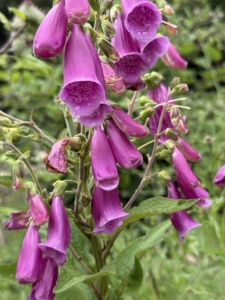


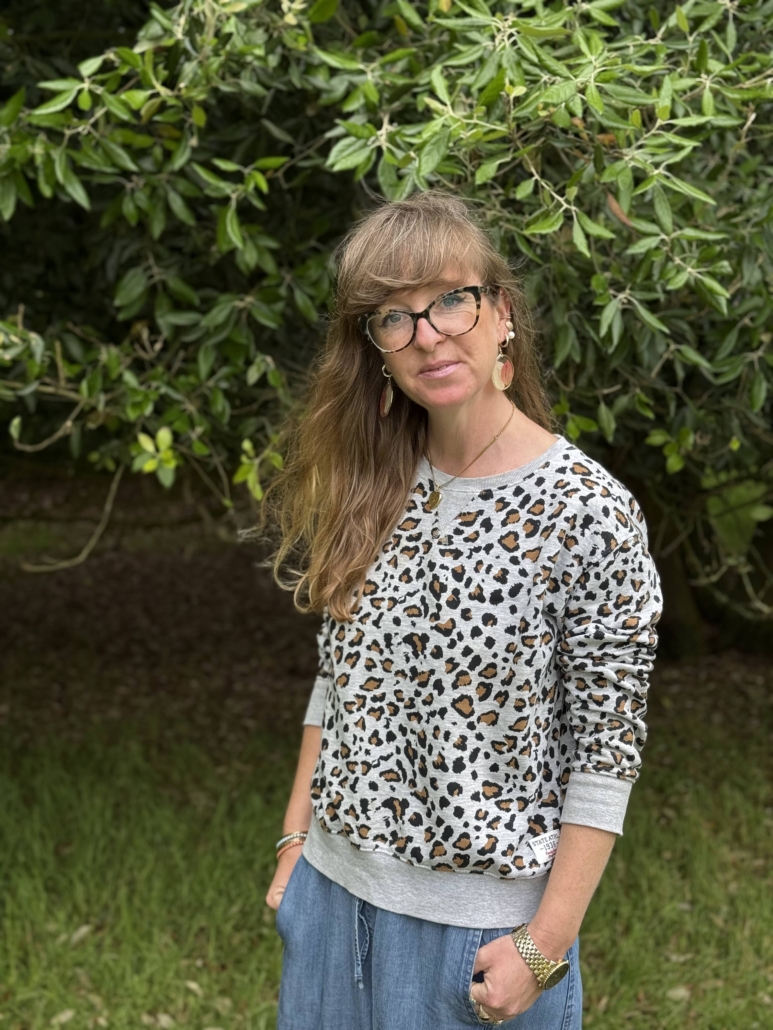
Pictured: Flowers from the meadow at Bracken and Bloom, run by Kate – and her little shepherd’s hut tucked away into the gorgeous Kent countryside.
Listen to the episode
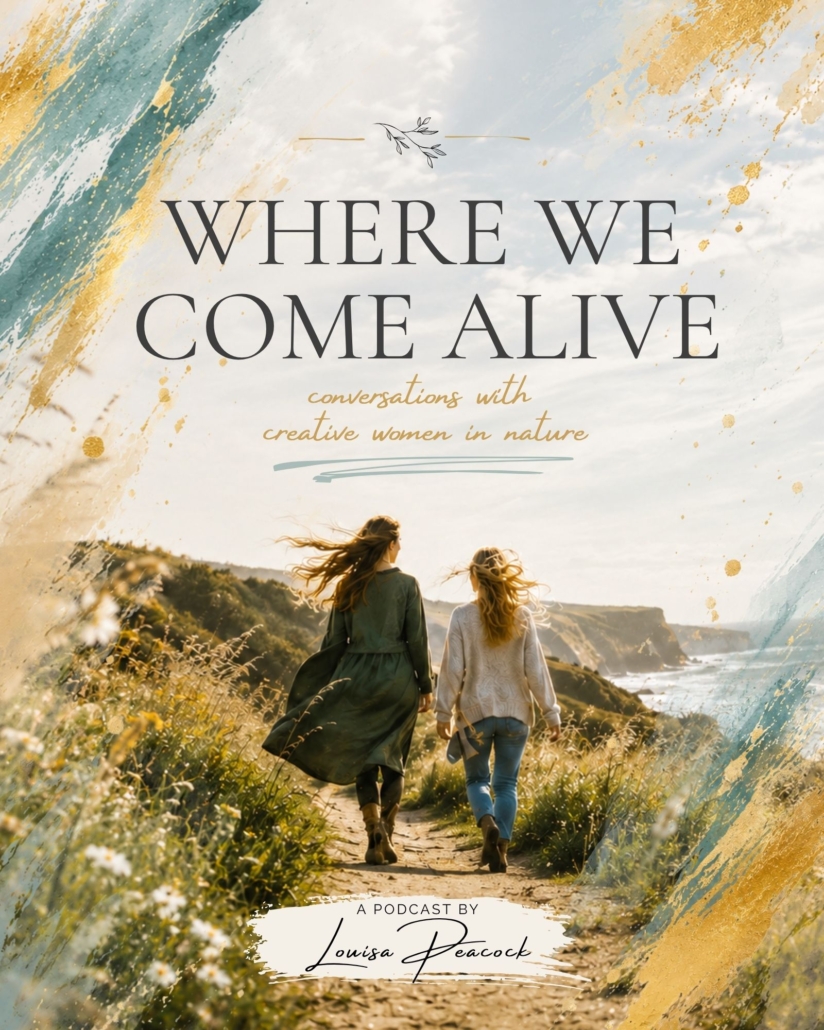
If you enjoyed this conversation, you’ll find more episodes of Where We Come Alive waiting for you on Spotify, Apple, Amazon or wherever you get your podcasts. Each week, I spend time outdoors with inspiring women in places they love, exploring how nature, creativity and landscape shape the way we live, see and feel.
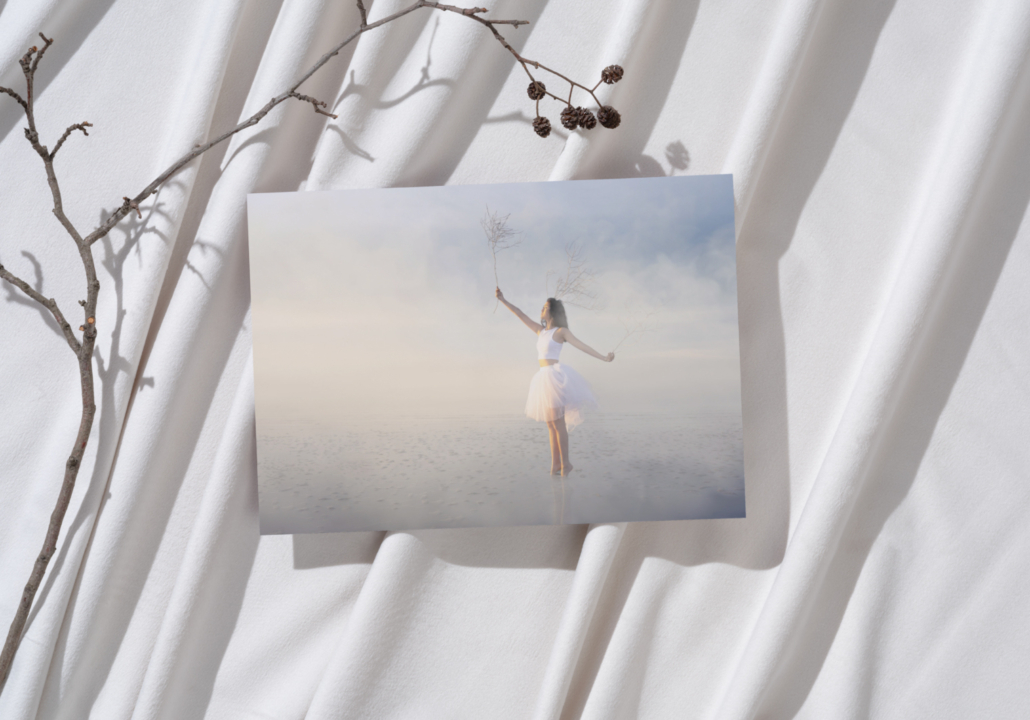
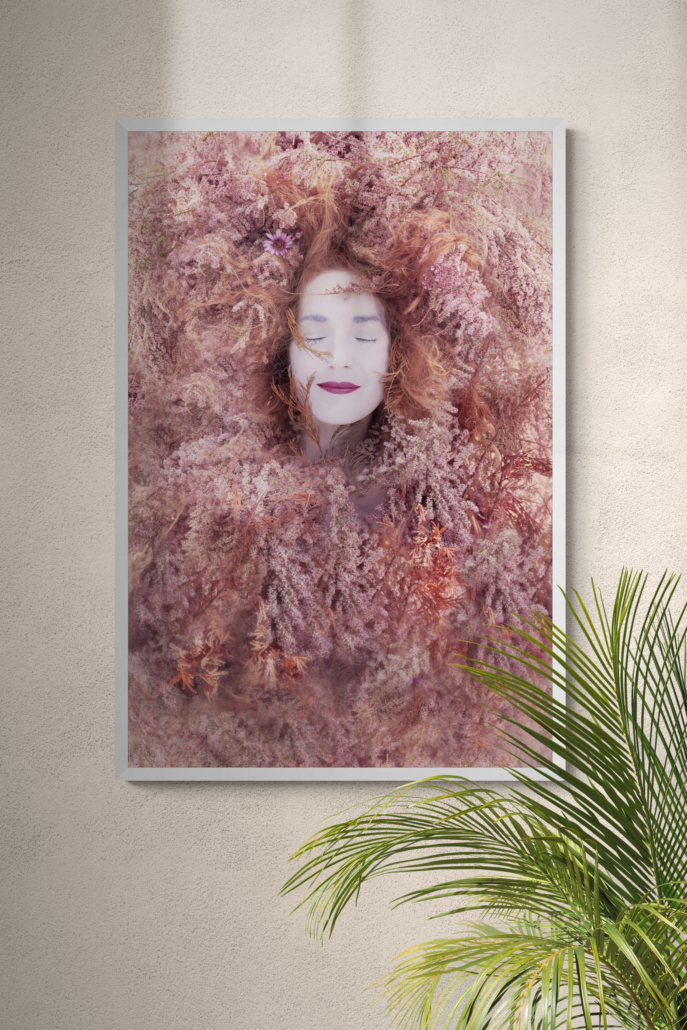
Louisa Peacock creates fine art photographic prints that celebrate the beauty, stillness and wonder of the natural world. Inspired by the changing seasons, wild landscapes and the quiet moments often overlooked, her work is an invitation to slow down, notice more deeply and reconnect with the places that make us feel most alive. Each piece is thoughtfully produced as timeless artwork for homes that value beauty, nature and meaningful living.
The Where We Come Alive podcast is on all major platforms including Apple, Amazon and Spotify. Please follow me wherever you get your podcasts to ensure you don\\\’t miss an episode.
